
In the precast concrete industry, achieving success depends on far more than just concrete mix design and production capacity. To ensure consistent quality, accelerate mold setup, enhance operational safety, and reduce labor costs, precast plants often rely on a wide array of specialized accessories. While these auxiliary products may appear insignificant when compared to the final concrete components, they play a pivotal role in both daily production efficiency and the ultimate performance of the finished products. This article introduces the “Top 10” key accessories in the precast concrete industry—essential items that every precast plant should be familiar with.
Shuttering Magnets
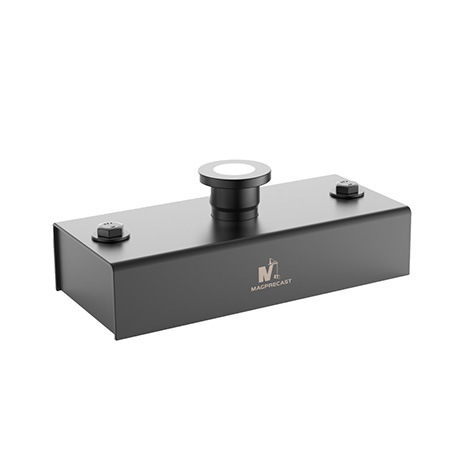
Shuttering magnets are among the most important accessories in modern precast concrete production. They are designed to fix side forms or steel profiles firmly onto steel casting beds without drilling, welding, or bolting. Compared with traditional fixing methods, shuttering magnets offer a much faster and cleaner setup process.
A typical shuttering magnet contains a high-performance magnetic block housed inside a steel case, with a push-button or lever mechanism to switch the magnetic force on and off. When activated, the magnet attaches securely to the steel table and holds the formwork in place during concrete pouring and vibration.
Shuttering magnets are widely used in the production of wall panels, slabs, stairs, balconies, and many other precast elements. They are especially suitable for factories that need flexible mold layout adjustments and repeated daily setup.
Why they matter
Reduce mold setup time
Avoid damage to steel casting beds
Improve positioning accuracy
Lower labor intensity
Support reusable and efficient production
For precast plants looking to improve productivity, shuttering magnets are often one of the first accessories worth upgrading.
Magnetic Chamfer Strips
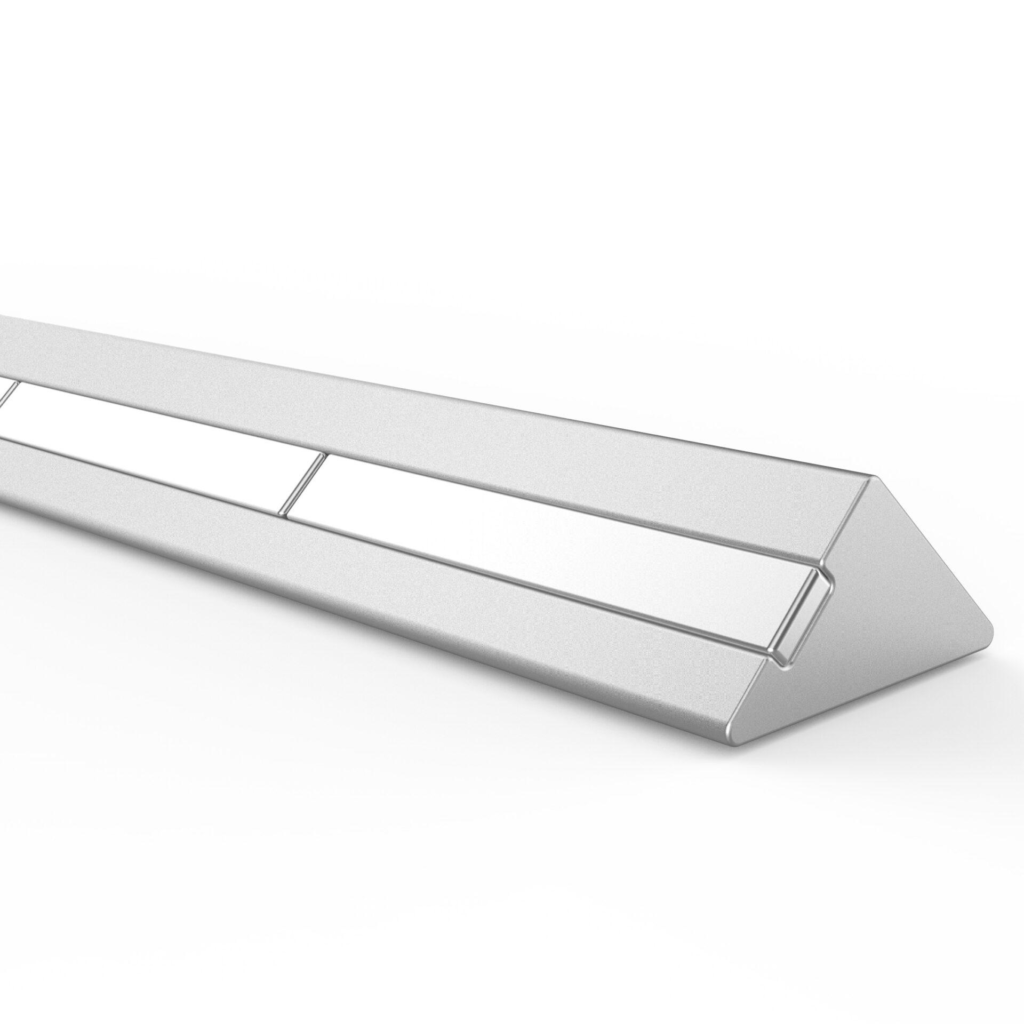
Magnetic chamfer strips are used to create beveled or chamfered edges on concrete components. These strips are placed along the mold edges and held in position by built-in magnets, allowing quick installation on steel formwork surfaces.
Chamfered edges are important for several reasons. They improve the appearance of finished concrete, reduce the risk of edge chipping during transport and installation, and help create safer handling conditions. In architectural and structural precast products, smooth and consistent edges often contribute to a more professional final result.
Magnetic chamfer strips are commonly available in triangle shapes, often at 45 degrees, but custom sizes and profiles are also used depending on the project. Because they do not require screws or glue, they are easy to reposition and remove.
Key benefits
Cleaner and more uniform concrete edges
Quick installation and demolding
No drilling or welding required
Reusable over many production cycles
Ideal for wall panels, beams, columns, and stairs
Although small in size, chamfer strips can significantly improve both product quality and mold setup efficiency.
Main advantages:
Accurate and repeatable insert positioning
Better product consistency
Faster setup than mechanical fixing methods
No damage to formwork surfaces
Reusable and easy to maintain
For factories producing precast wall panels, utility boxes, façade elements, and structural components with embedded hardware, insert magnets are essential accessories.
Insert Magnets
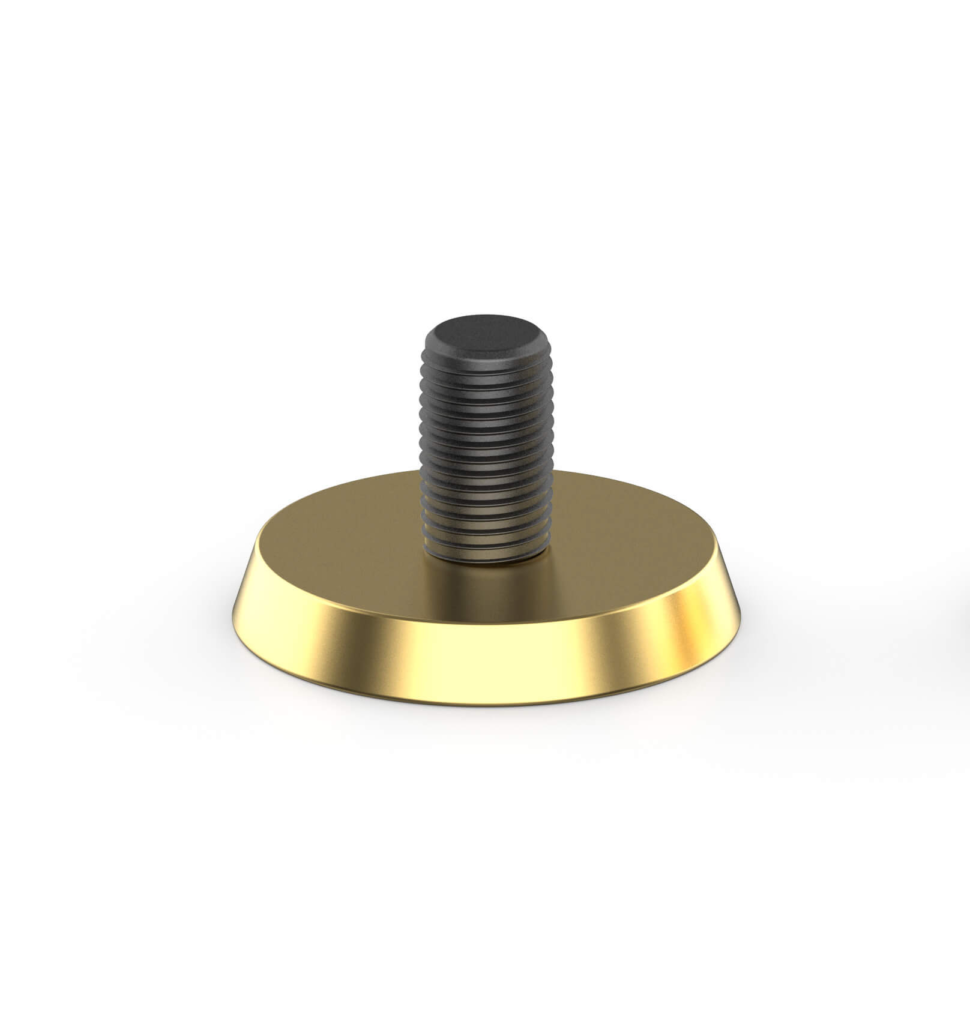
Insert magnets are used to hold embedded parts in the correct position during casting. These parts may include threaded sockets, lifting anchors, fixing plates, electrical boxes, or other inserts that need to be cast into the concrete element.
In precast production, accuracy is critical. If an insert shifts during vibration or pouring, the finished component may not meet installation requirements. Insert magnets solve this problem by fixing the insert securely against the mold surface or steel table, helping maintain the exact planned position.
Insert magnets come in many shapes and magnetic strengths, depending on the size and type of embedded part. Some are designed for threaded inserts, while others are used for plate-mounted or custom embedded items.
Main advantages:
Accurate and repeatable insert positioning
Better product consistency
Faster setup than mechanical fixing methods
No damage to formwork surfaces
Reusable and easy to maintain
For factories producing precast wall panels, utility boxes, façade elements, and structural components with embedded hardware, insert magnets are essential accessories.
Lifting Anchors
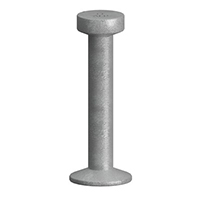
Lifting anchors are embedded into concrete elements during production so the finished precast component can be lifted, rotated, transported, and installed safely. These anchors are not permanent structural fasteners. Instead, they are temporary lifting points specifically engineered to handle dynamic loads during handling.
There are several common types of lifting anchors, including pin anchors, dog bone anchors, threaded lifting sockets, and spread anchors. The correct anchor type depends on the size, shape, weight, and lifting method of the concrete element.
Lifting anchors are often used together with insert magnets or rubber recess formers to ensure precise placement during casting. Once the concrete reaches the required strength, lifting clutches are attached to the anchors for crane handling.
Why are they important
Provide safe lifting points for precast elements
Reduce lifting risk and handling damage
Support panel tilting, turning, and transport
Improve jobsite installation efficiency
Suitable for wall panels, beams, slabs, stairs, and custom structural elements
A reliable lifting anchor system is one of the foundations of safe precast operations.
Rubber Recess Formers
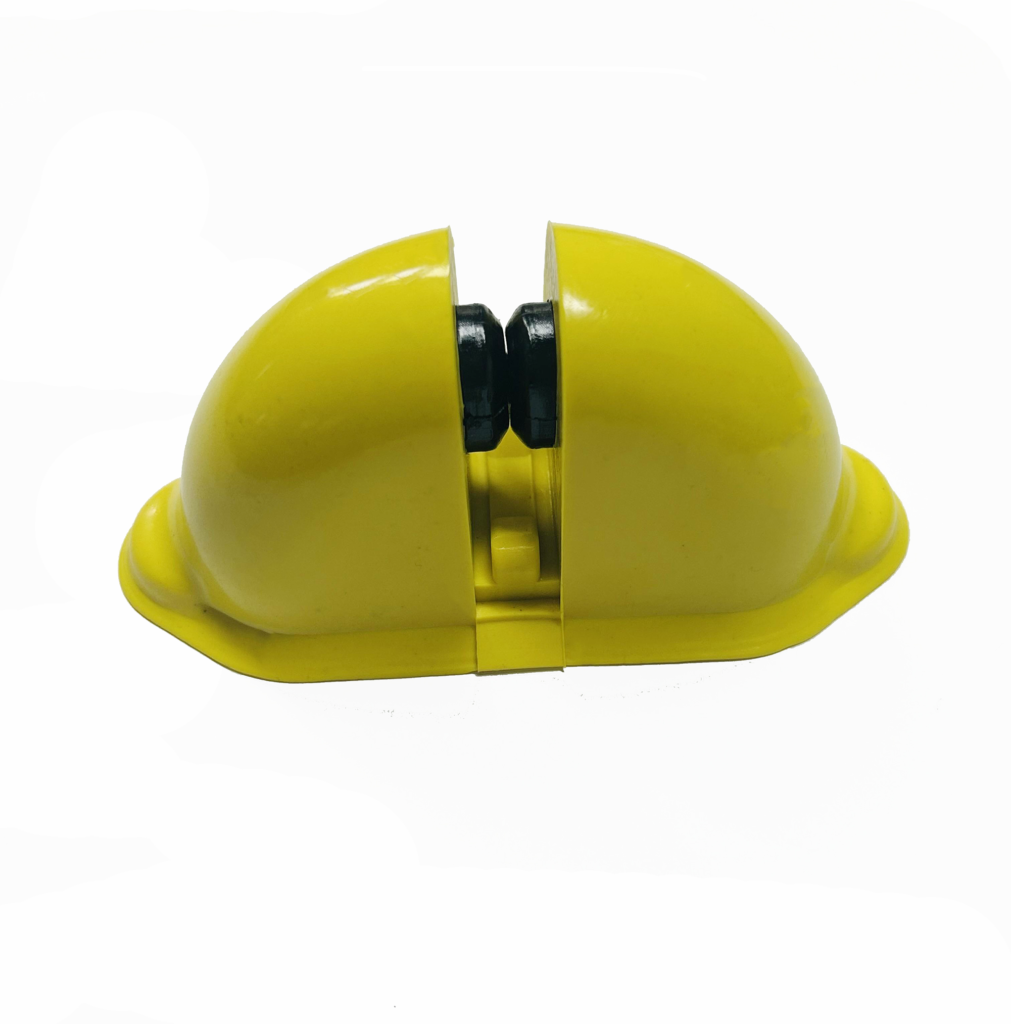
Rubber recess formers are used to create recesses in the concrete surface around lifting anchors or inserts. These recesses allow lifting clutches to connect properly after demolding, while also protecting the anchor head during casting.
Because rubber is flexible, recess formers are easy to remove after curing. They also help create a clean and consistent recess shape, which improves both functionality and appearance. In many precast factories, they are used together with magnetic holders for faster mold preparation.
Rubber recess formers are available in a variety of shapes and sizes to match different anchor systems. Choosing the right former helps ensure correct clutch engagement and safe lifting.
Benefits
Accurate recess formation
Easy demolding
Good protection for lifting anchors
Reusable and durable
Compatible with different anchor sizes
Although simple in design, these accessories help improve the reliability of lifting operations and the finish quality of the concrete surface.
Lifting Clutches
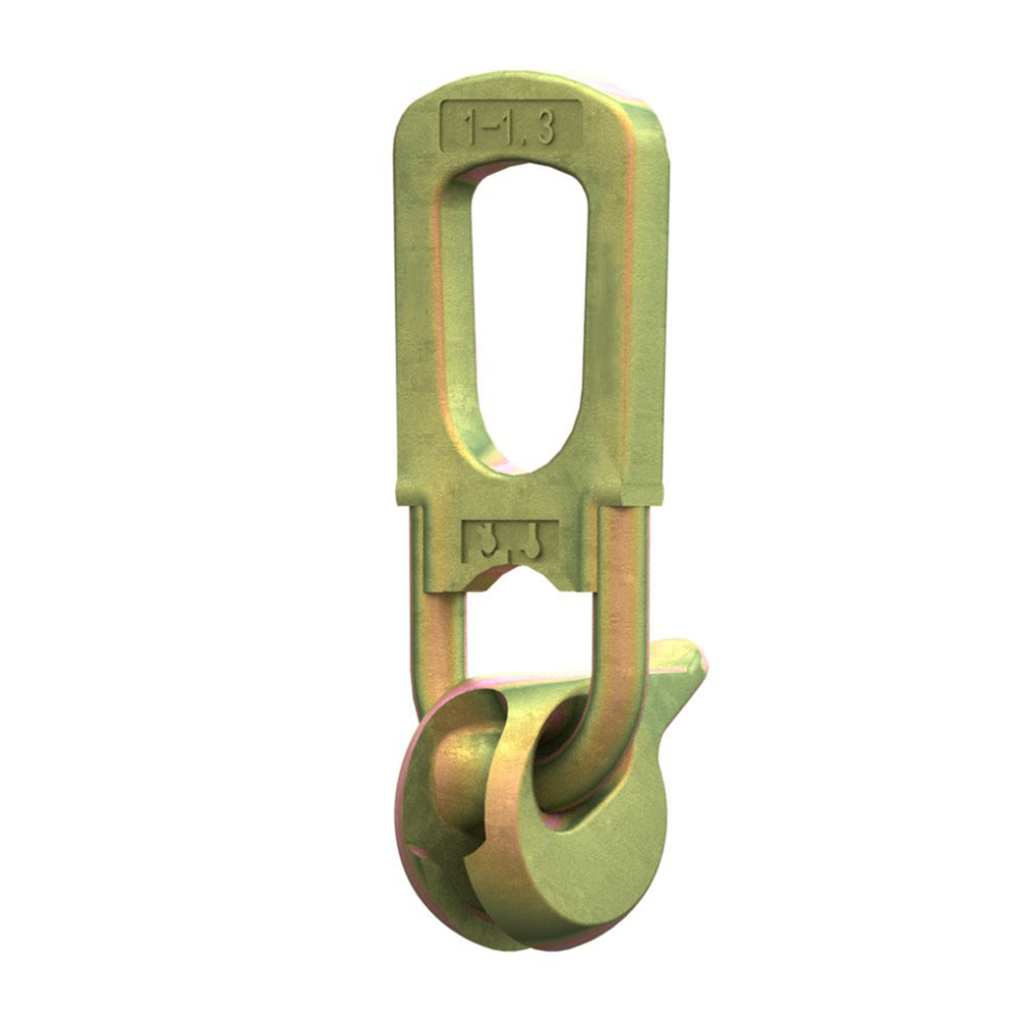
Lifting clutches are the connecting devices used between the crane hook and the lifting anchor embedded in the concrete element. They are critical for safe handling and must always match the specific type and load rating of the lifting anchor.
A properly designed lifting clutch locks securely onto the anchor head, allowing the load to be transferred safely during lifting. Different anchor systems require different clutch designs, so compatibility is essential. Using an incorrect or uncertified clutch can create major safety risks.
Lifting clutches are used repeatedly in factories and on jobsites, so they should be inspected regularly for wear, deformation, and damage.
Key functions
Provide safe engagement with lifting anchors
Allow lifting, turning, and installation of precast elements
Support controlled load handling
Improve site safety and productivity
In any complete precast lifting system, anchors and clutches must always be treated as a matched set.
Plastic Spacers
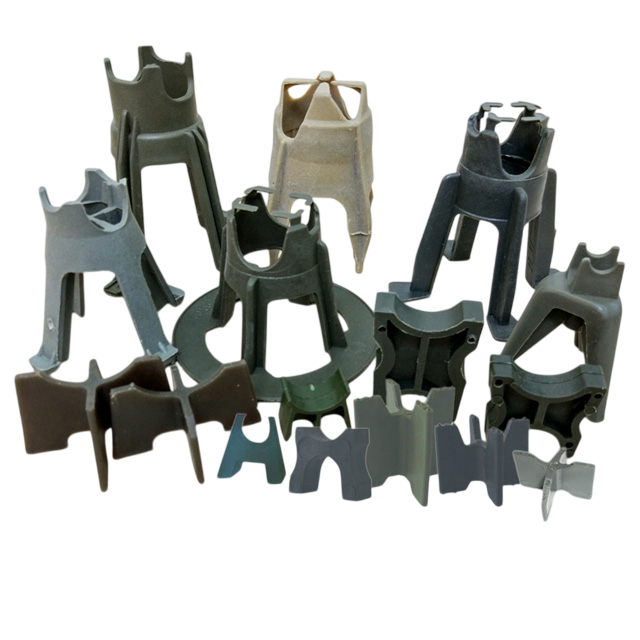
Plastic spacers, also known as concrete cover spacers or rebar spacers, are used to maintain the correct distance between reinforcement and the surface of the concrete. This ensures that the steel reinforcement remains in the right position and that the required concrete cover is achieved.
Correct cover thickness is essential for durability, corrosion resistance, and structural performance. If the reinforcement sits too close to the surface, the concrete may crack or allow moisture to reach the steel more easily. If it is too deep, structural design performance may be affected.
Plastic spacers are available in different shapes for walls, slabs, columns, and horizontal or vertical reinforcement applications.
Why they matter
Maintain correct concrete cover
Prevent reinforcement movement during casting
Improve durability and structural compliance
Easy to use and cost-effective
Suitable for most precast elements
These accessories may be inexpensive, but they are essential for quality control.
Conclusion
Precast concrete production depends on more than concrete, reinforcement, and molds. The accessories used throughout the process play a major role in determining product quality, labor efficiency, and production safety. From shuttering magnets and insert magnets to lifting anchors, recess formers, spacers, and release agents, each accessory contributes to smoother and more reliable factory operations.
For any precast factory aiming to improve output and reduce unnecessary production costs, understanding and selecting the right accessories is a smart long-term investment. The most successful plants are often the ones that pay attention not only to the main equipment, but also to the smaller components that keep the entire system running efficiently.

 English