
Introduction
Safety and reliability are paramount when lifting heavy precast concrete components. A small lifting clutch can determine the success or failure of the lifting process. However, many engineers and contractors hesitate here: should they use a ring clutch or a standard lifting clutch?
Both tools are essential components of modern precast component lifting systems. They work in conjunction with pre-embedded lifting anchors to safely move concrete slabs, beams, and structural members. However, they differ in design, compatibility, and application scenarios.
In this guide, we will detail the key differences between ring clutches and lifting clutches, discuss their working principles, application scenarios, and how to choose the right option for your precast component lifting operations.
What is a lifting clutch?

A lifting clutch is a specialized hoisting device used to connect hoisting equipment, such as cranes or chains to pre-installed hoisting anchors in precast concrete components.
The main functions of a lifting clutch include:
Connecting the pre-installed hoisting anchors in precast components to cranes or other hoisting equipment
Providing a secure locking mechanism during hoisting operations
Ensuring the safe transport and positioning of heavy precast components
Achieving rapid engagement and release during construction
Most lifting clutches are designed with an automatic locking mechanism that securely engages with the hoisting anchor head. Once the clutch is engaged and tension is applied, the system automatically locks to prevent accidental disengagement.
Lifting clutches are widely used in:
Precast wall panels
Precast beams and columns
Precast floor slabs and floors
Precast stairs
Bridge and infrastructure components
What Is a Ring Clutch?
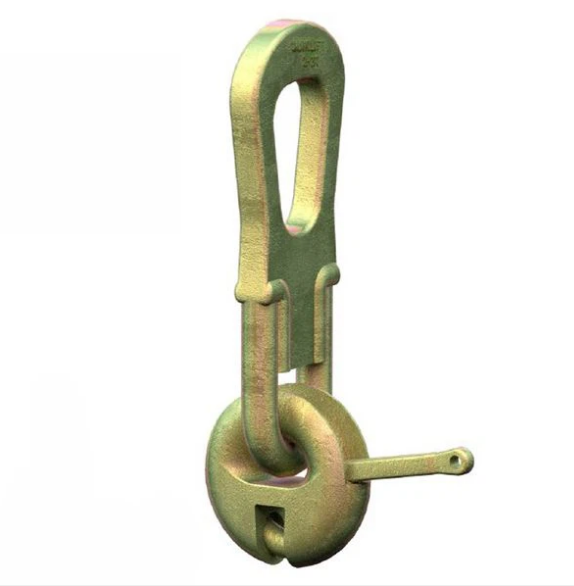
A Ring Clutch is a specific type of lifting clutch designed with a ring-shaped lifting head. It is commonly used with spherical head lifting anchors, which are widely embedded in precast concrete elements during manufacturing.
The ring design allows the clutch to rotate and adjust to different lifting angles, making it particularly useful when lifting components from various directions.
Key characteristics of ring clutches include:
A circular or ring-shaped lifting head
Compatibility with spherical head anchors
Flexible lifting angles and multidirectional load handling
High load-bearing capacity for heavy precast elements
Durable steel construction for repeated lifting cycles
Ring clutches are commonly used in applications such as:
Precast wall panels
Precast columns and beams
Tunnel segments
Large bridge components
Heavy infrastructure elements
| Feature | Ring Clutch | Lifting Clutch |
| Definition | A lifting device with a circular ring head designed to connect with spherical head lifting anchors. | A general lifting device used to connect cranes or lifting equipment with precast lifting anchors. |
| Design Structure | Features a rotating ring-shaped lifting head that allows flexible lifting angles. | Usually designed with a locking hook or clutch mechanism depending on the anchor system. |
| Anchor Compatibility | Primarily used with spherical head anchors or ring anchors embedded in precast concrete elements. | Compatible with multiple types of lifting anchors depending on the lifting system design. |
| Lifting Direction | Allows multidirectional lifting due to the rotating ring design. | Typically designed for specific lifting directions depending on the clutch model. |
| Load Capacity | Suitable for medium to heavy precast elements such as wall panels or beams. | Available in various load capacities for different precast lifting applications. |
| Safety Mechanism | Often includes automatic locking or safety latch systems to prevent accidental release. | Designed with safety locks that ensure secure engagement with lifting anchors. |
| Typical Applications | Precast wall panels, beams, columns, bridge segments, and infrastructure elements. | Precast slabs, staircases, wall panels, beams, and other concrete components. |
| Flexibility in Operation | Provides greater flexibility when lifting elements from different angles. | More controlled lifting depending on anchor and clutch design. |
| Ease of Installation | Quick attachment to spherical head anchors for efficient lifting operations. | Simple attachment and removal depending on the clutch type. |
| Usage in the Precast Industry | Common in spherical head lifting systems widely used in precast plants. | Widely used in various lifting anchor systems across precast construction. |
How to Choose the Right Lifting Clutch for Your Precast Project
Selecting the appropriate lifting clutch requires careful consideration of several factors.
Load Capacity
The clutch must be rated to handle the weight of the precast component, including safety factors required by lifting standards.
Anchor Compatibility
Always ensure the clutch is compatible with the specific lifting anchor system embedded in the concrete.
Lifting Direction
Some projects require vertical lifting, while others involve angled lifting. Ring clutches may be better suited for multidirectional lifting scenarios.
Project Requirements
Different projects may have unique lifting challenges depending on:
component size
transportation requirements
installation methods
Compliance and Certification
Choose lifting clutches that meet recognized safety standards and certifications, ensuring reliability and regulatory compliance.
Working with experienced suppliers or manufacturers can help ensure the lifting system is properly matched to the project requirements.
Conclusion
Both ring clutches and lifting clutches are essential components of modern precast concrete lifting systems. While their basic function is the same—connecting lifting anchors to the crane—their design differences make them suitable for different lifting conditions and project requirements.
Ring clutches offer flexibility and multi-directional lifting capability, making them ideal for complex lifting scenarios. Standard lifting clutches provide reliable performance in a variety of precast component lifting applications.
By understanding the differences between these systems and carefully selecting the appropriate lifting equipment, construction professionals can improve the safety, efficiency, and reliability when handling heavy precast concrete components.

 English