
Introduction
On construction sites, rebar tying wire may seem insignificant, but it plays a crucial role in reinforced concrete engineering. Before pouring concrete, the rebar must be properly tied to maintain spacing, alignment, and structural integrity. Even the highest-strength concrete mix cannot compensate for poorly tied rebar. In foundations, slabs, beams, and columns, stable rebar ensures that loads are distributed as designed. Using appropriate tying wire and correct tying methods can improve construction efficiency, reduce displacement during vibration, and enhance the long-term durability of concrete structures.
What Is Rebar Tie Wire and Why It Matters
Rebar tie wire is a thin but strong steel wire used to secure reinforcing bars at their intersections before concrete is poured. Although it does not carry structural load, it plays a vital role in maintaining the position and spacing of reinforcement. Without proper tying, rebar can shift during vibration and placement, compromising alignment and structural performance. In reinforced concrete construction, stability begins with accurate bar placement. Tie wire ensures that the reinforcement cage remains fixed, allowing the concrete to cure around a properly arranged framework that supports strength, durability, and long-term structural integrity.
Types of Rebar Tie Wire
Choosing the right rebar binding wire is not just about cost; it directly affects construction efficiency, durability, and field performance. Different construction environments require binding wires with different properties.
Black annealed binding wire is the most commonly used choice in reinforced concrete construction. It is soft, flexible, and easy to twist by hand or with binding tools. Its good ductility allows for quick and secure binding of rebar, making it ideal for general construction projects with limited corrosion exposure.
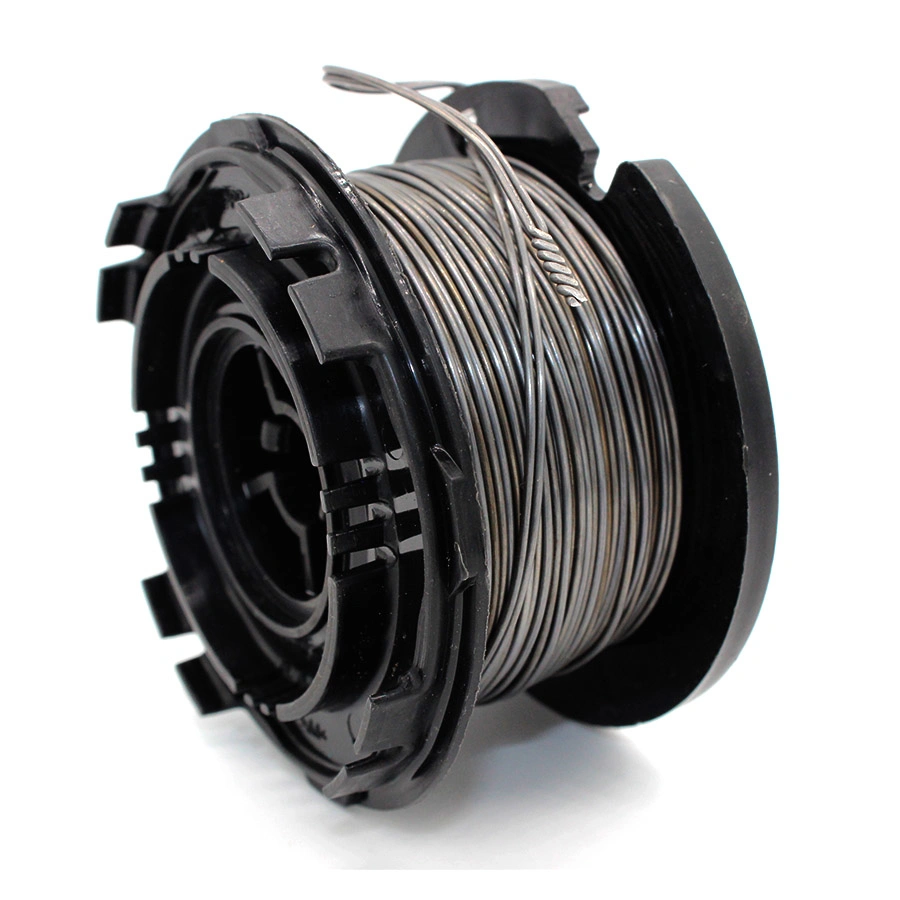
Galvanized binding wire has stronger corrosion resistance due to the protective effect of its zinc coating. It is suitable for outdoor construction, high-humidity areas, or projects exposed to damp environments before concrete pouring. While slightly stiffer than black annealed binding wire, it has a longer service life.
PVC-coated binding wire adds an extra protective layer to the metal core. It performs well in corrosive or highly corrosive environments, helping to extend its service life and maintain stability under harsh conditions.
Comparison of different types of Rebar Tie Wire
| Type | Material & Finish | Flexibility | Corrosion Resistance | Ease of Twisting | Typical Applications |
| Black Annealed Tie Wire | Low-carbon steel, heat-treated surface | Very high, soft, and easy to bend | Basic protection, suitable for dry conditions | Easy manual twisting, high efficiency | General residential and commercial construction |
| Galvanized Tie Wire | Steel wire with zinc coating | Moderate flexibility | Good corrosion resistance | Slightly stiffer than annealed wire | Outdoor construction, humid environments |
| PVC-Coated Tie Wire PVC | Steel core with PVC outer coating | Moderate to high | Excellent corrosion resistance | Easy twisting, protective coating prevents rust | Coastal, chemical, or highly corrosive areas |
Tools Required for Tying Rebar
Manual rebar twisters provide controlled twisting, maintaining consistent tension, and are especially suitable for applications requiring precision. Lightweight and affordable, they are a practical choice for general construction projects.
Pliers offer strong grip and are suitable for thicker rebar. They help to neatly cut excess rebar and ensure secure connections at intersections.
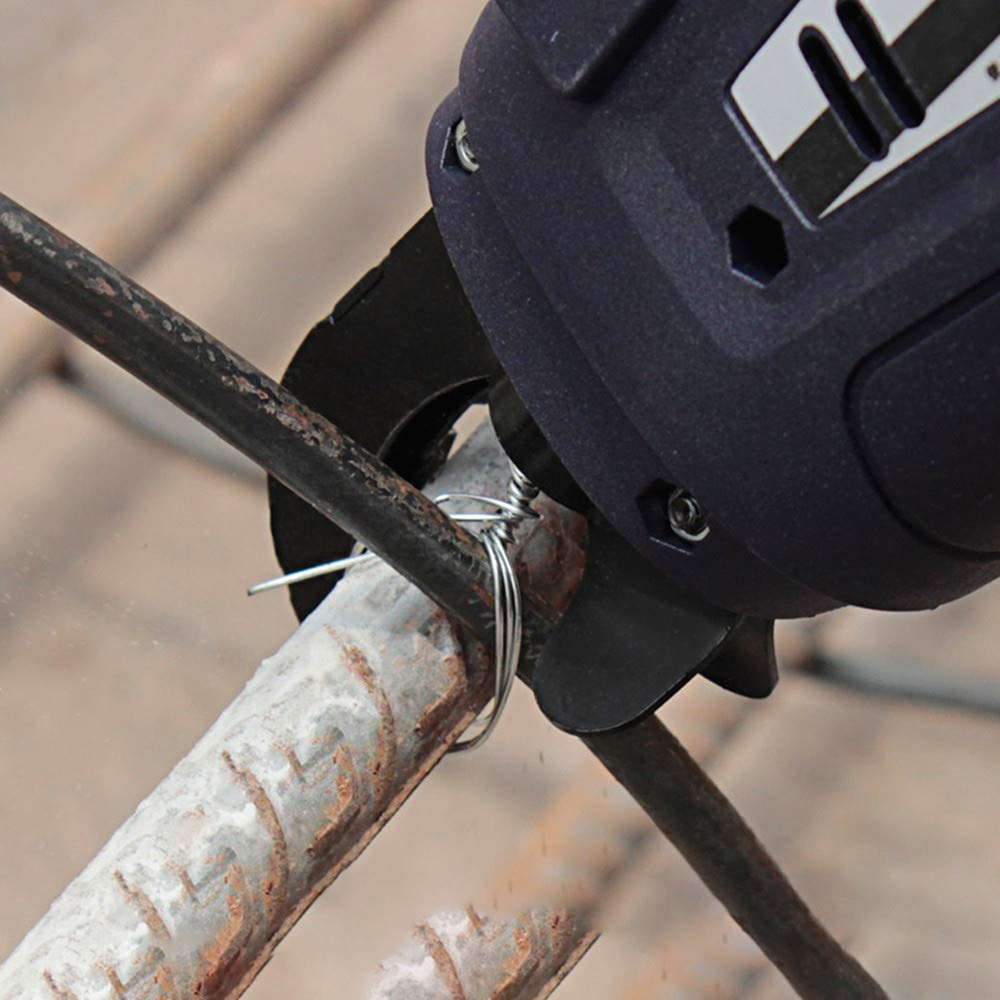
Automatic rebar tying machines significantly improve efficiency for large-scale projects. Battery-powered, they are efficient and convenient, reducing worker fatigue and achieving uniform tying in repetitive rebar arrangements. Safety gloves are essential to protect hands from sharp rebar ends.
Choosing the right tools depends on project size, rebar density, and required speed. Selecting the appropriate tools based on the workload ensures efficiency and rebar stability.
Common Rebar Tying Methods
Snap-on Binding Method: One of the fastest and most widely used methods. This method involves wrapping the binding wire around the intersecting reinforcing bars and tightening it with hooks. This method is suitable for slabs and lightweight reinforcing bars because speed and efficiency are crucial.
Saddle Binding Method: Provides stronger support by wrapping the wire above and below the intersecting reinforcing bars and then tightening it. It is more stable than the simple snap-on binding method and is often used in beams and foundation structures.
Figure-eight Binding Method: Increases safety by diagonally crossing the wire before tightening it. It is often used in situations where minimizing reinforcing bar movement is required.
Best Practices for Strong and Stable Reinforcement
Strong concrete begins with stable reinforcement. Even the highest grade concrete mix cannot compensate for poorly secured reinforcement. Attention to detail during reinforcement tying and placement is crucial to ensuring structural performance meets design expectations.
Maintain consistent reinforcement spacing according to project drawings. Precise spacing ensures proper load distribution and prevents stress concentration within the concrete. Using shims and supports with the tying wires helps secure the reinforcement in the correct position before pouring.
Ensure secure ties, but not overtight. Excessive twisting weakens the wires or damages the reinforcement surface, while loose ties can cause displacement during vibration. Maintaining tension balance is essential.
Safety Considerations During Rebar Tying
Wear durable gloves to prevent cuts from sharp wire ends. Even small cuts can slow down work and even lead to infection. Steel-toed boots are equally important, especially when handling heavy rebar that may shift unexpectedly.
Maintain proper posture while tying. Continuous bending and twisting movements can cause back and wrist strains. Using ergonomic tools or automated tying machines can reduce repetitive strain injuries and improve efficiency.
Keep the work area clean and organized. Loose wire and tools increase the risk of tripping and falls. Clear communication among team members is also crucial during the hoisting and positioning of rebar cages.
Finally, check tools regularly. Damaged pliers or malfunctioning tying tools can cause sudden slips. Safe tying not only protects workers but also ensures the stability of the rebar.
Conclusion
Rebar tie wire may appear simple, but it plays a decisive role in reinforced concrete construction. Proper tying keeps reinforcement bars aligned, stable, and ready to perform as designed once concrete is poured. Choosing the right wire type and using suitable tools improves efficiency and reduces the risk of movement during vibration. By focusing on correct methods, consistent spacing, and secure fastening, contractors can strengthen overall build quality and ensure long-term structural reliability in every concrete project.
FAQ
What is the role of rebar tying wire in concrete construction?
Rebar tying wire is used to secure the intersections of reinforcing bars before concrete pouring. Its main purpose is to maintain the correct spacing and arrangement of the bars, preventing displacement during vibration and pouring. Although the tying wire itself does not bear structural loads, it plays a crucial role in ensuring the stability and correct positioning of the reinforcing cage.
What specifications of rebar tying wire are commonly used?
Common specifications include 16 and 18-gauge tying wire. Thicker tying wire provides a stronger securing force but may be more difficult to twist manually. The specific choice depends on the project scale, rebar diameter, and structural requirements.
Is galvanized tying wire better than black annealed tying wire?
Galvanized tying wire has better corrosion resistance and is suitable for outdoor or humid environments. Black annealed tying wire is more flexible and is generally used in general construction projects with limited corrosion exposure.
Can rebar tying wire replace a suitable rebar spacing device?
No. Reinforcing bar tying wires secure rebar intersections, but require rebar supports and spacers to maintain proper concrete cover thickness and rebar positioning. Both work together to ensure structural accuracy.
How tight should reinforcing bar tying wires be?
Tightening the tying wires is sufficient to secure the rebar, but not too tight to avoid damaging or breaking the rebar. Over-tightening weakens the tying wires and reduces tying efficiency.
Are automatic rebar tying machines worth using?
For large projects, automatic rebar tying machines can significantly improve efficiency and reduce worker fatigue. They provide stable tying tension and speed up installation, especially in slab and foundation construction.
Does rebar tying wire affect the structural strength of concrete?
Tying wires themselves do not increase structural strength. However, improper tying can cause rebar movement, reducing structural integrity. Proper tying ensures rebar placement meets design requirements.
How much tying wire is typically needed for a project?
The amount of tying wire used depends on the rebar density and project scale. It is generally estimated that 8-12 kg of binding wire is needed per ton of rebar, but the actual amount used will vary depending on the binding method and rebar configuration.
Will rebar binding wire rust inside concrete?
Ordinary binding wire may corrode over time, but since it is completely embedded in the concrete and does not bear any load, slight corrosion usually does not affect structural performance. For highly corrosive environments, galvanized or coated binding wire is recommended.

 English