
Concrete is strong in compression, but weak when it comes to cracking. Shrinkage, temperature changes, and early-age stress can all create micro-cracks long before a structure is put into service. This is where polypropylene fibre plays an important role.
Polypropylene fibre is widely used in modern concrete and precast production to improve durability, reduce cracking, and enhance overall performance without changing traditional mix designs.
What Is Polypropylene Fibre?
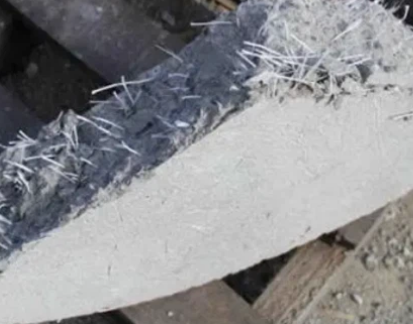
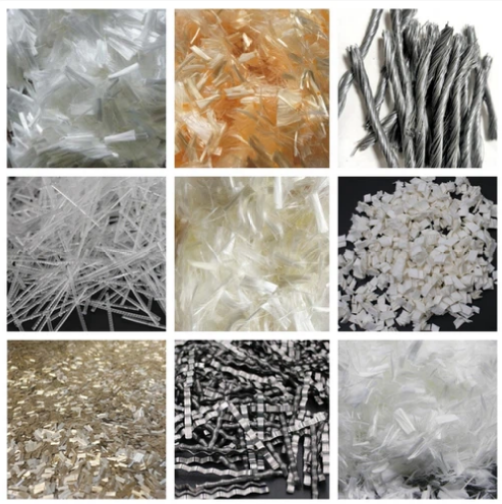
Polypropylene fibre is a synthetic fibre made from polymer-based material. It is chemically stable, lightweight, and resistant to moisture, acids, and alkalis. When evenly dispersed in concrete, the fibres form a three-dimensional network that helps control cracking from the inside.
Unlike steel fibres, polypropylene fibres do not rust, and unlike traditional rebar, they work throughout the entire concrete matrix rather than at specific locations.
How Polypropylene Fibre Works in Concrete
During mixing and pouring, polypropylene fibres distribute evenly within the concrete. As the concrete begins to set and shrink, these fibres help restrain micro-crack formation by bridging small gaps before they develop into visible cracks.
This mechanism is especially effective in the early stages of curing, when plastic shrinkage and settlement cracks are most likely to occur. By controlling these early defects, the long-term durability of concrete is significantly improved.
Key Benefits of Using Polypropylene Fibre
One of the main advantages of polypropylene fibre is crack control. It reduces plastic shrinkage cracking and helps limit micro-crack growth caused by temperature changes and drying shrinkage.
Another benefit is improved impact and abrasion resistance. Fibre-reinforced concrete is less likely to chip, spall, or suffer surface damage during handling, transportation, and service life.
Polypropylene fibre also enhances fire resistance. Under high temperatures, the fibres melt and create micro-channels that allow steam pressure to escape, reducing the risk of explosive spalling.
Polypropylene Fibre vs Traditional Reinforcement
Polypropylene fibre is not designed to replace structural reinforcement such as rebar or lifting anchors. Instead, it complements traditional reinforcement by improving crack resistance across the entire concrete section.
Compared with steel fibres, polypropylene fibres are easier to mix, lighter to transport, and free from corrosion risks. They are especially suitable for precast elements, slabs, walls, and non-structural components where crack control and durability are priorities.
Typical Applications in Precast and Construction
Polypropylene fibre is commonly used in precast wall panels, pipes, slabs, tunnel segments, and industrial flooring. It is also widely applied in shotcrete, overlays, and repair mortars.
In precast factories, fibres help reduce surface cracking, improve visual quality, and lower rejection rates during production and storage.
Practical Considerations for Use
Correct dosage and proper mixing are essential to achieve the best results. Overdosing does not improve performance and may affect workability, while insufficient fibre content limits crack-control benefits.
Most polypropylene fibres are compatible with standard concrete mixes and admixtures, making them easy to adopt without major changes to existing production processes.
Conclusion
Polypropylene fibre offers a simple and effective way to improve concrete performance where cracking, durability, and surface quality matter. By working throughout the concrete matrix, it provides protection that traditional reinforcement alone cannot achieve. For precast and cast-in-place applications alike, polypropylene fibre has become a practical solution for producing stronger, more reliable concrete with fewer defects and lower long-term maintenance concerns.

 English