
Description
What Is a Corrugated Duct?
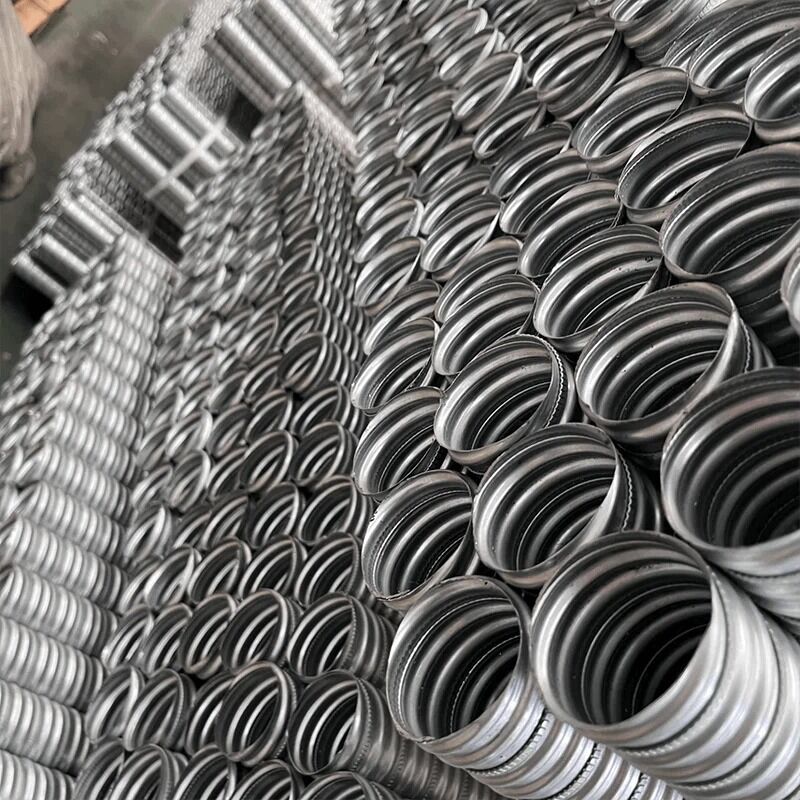
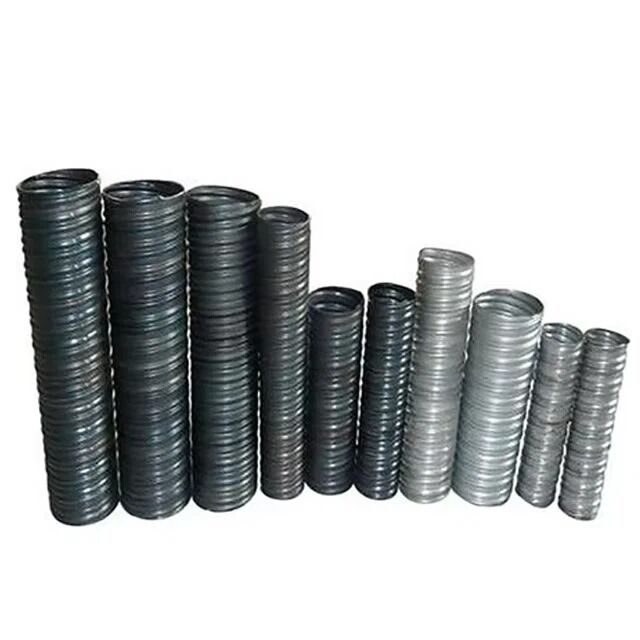
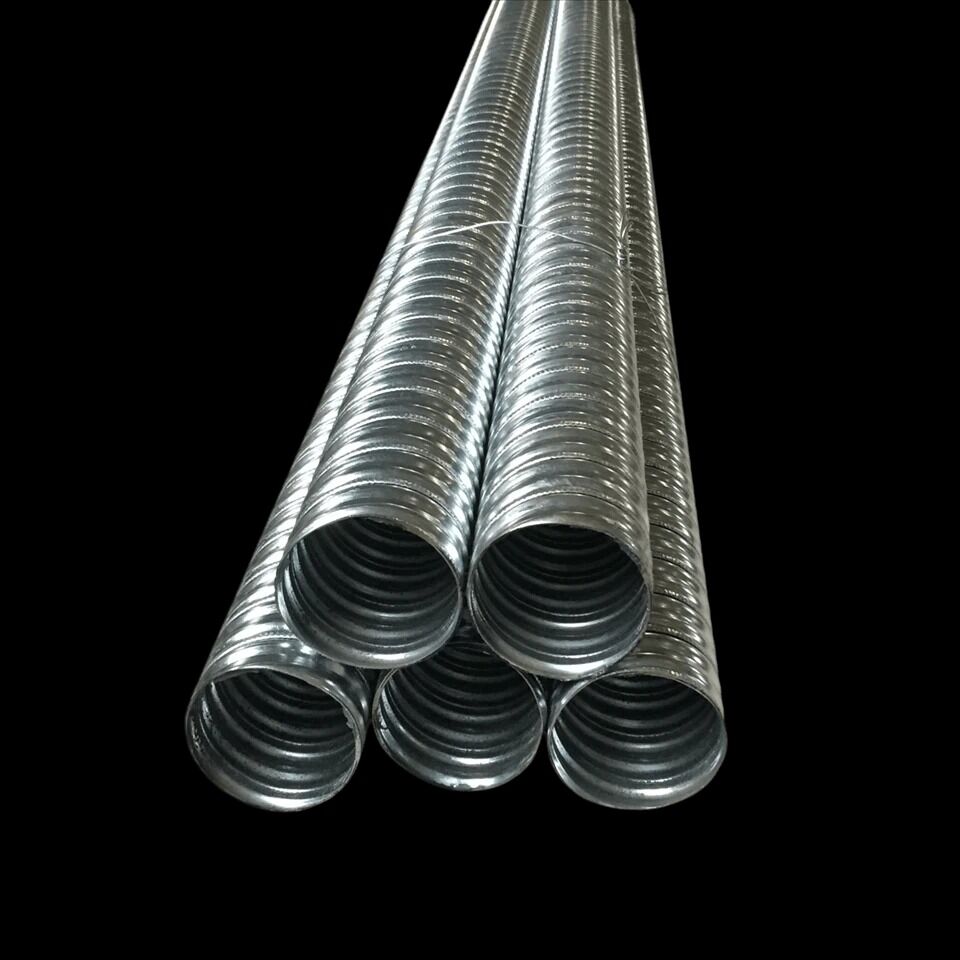
Corrugated pipes are primarily used in prestressed concrete structures as conduits for transporting prestressed concrete steel strands. Generally, corrugated pipes are divided into two types: metal pipes and high-density polyethylene (HDPE) pipes, differing in their raw materials. Metal pipes are further divided into galvanized steel pipes and non-galvanized black steel pipes. Each type of pipe is also available in two cross-sectional shapes: round and flat. Their unique corrugated shape endows them with excellent strength, flexibility, and bonding properties, making them an essential component of modern infrastructure.

Key Features of Corrugated Duct
Wide Range of Diameters (ID 40mm–130mm)
Suitable for various tendon sizes, multi-strand systems, and complex structural designs.
Enables engineers to choose the perfect fit for bridges, buildings, slabs, and precast elements.
Custom Manufacturing Based on Site Requirements
Production can be tailored to project quantity, length, and specifications, ensuring zero waste and cost efficiency.
Durable, Tough & Easy to Place
Strong enough to withstand concrete pressure, vibration, and handling. Maintains shape and alignment even under heavy site conditions.
Superior Corrosion Protection
Superior Corrosion Protection: Hot-dip galvanized coating ensures long-term resistance to rust and environmental exposure.Enhances the lifespan of post-tensioned systems, especially in coastal or humid environments.
The Main Functions Of Corrugated Pipes

1. Formation of pre-stressed conduits:
Corrugated pipes play a crucial role in the formation of prestressed concrete ducts, providing a safe and reliable channel for prestressed tendons, strands, wires, and cables of various sizes and specifications. The corrugated profile of the pipe enhances the mechanical bond with the concrete, ensuring efficient transfer of prestress throughout the structure. Simultaneously, the corrugated pipe protects the reinforcing bars from moisture, corrosion, and external damage, significantly extending the overall service life of the system.
2. Improved structural safety:
Improving structural safety and performance is one of the most important functions of corrugated pipes. By achieving effective prestressing, corrugated pipes significantly enhance the stiffness and load-bearing capacity of concrete structures, enabling them to withstand greater loads while minimizing long-term deflection and reducing cracks caused by tensile stress. Prestressing controls structural deformation by counteracting tensile stress, effectively limiting shrinkage cracks and long-term sagging, common problems that often lead to high maintenance costs.
Applications of Corrugated Pipes

1. Bridge Engineering: Large highway and railway bridges, cable-stayed bridges and suspension bridges, overpasses and viaducts.
2. Building Construction: High-rise buildings, stadiums, conference centers, theaters, and airport terminals, crane beams, and multi-story industrial buildings.
3. Geotechnical and Underground Engineering: Geotechnical anchoring, tunnel engineering.
4. Water Conservancy and Other Infrastructure: Water Conservancy Projects: Large sluice gates, aqueducts, inverted siphons, pressure pipelines, etc.
Nuclear Power Facilities: Containment structures have extremely high requirements for crack resistance and sealing; prestressing is their core technology.
Marine Engineering: Docks, offshore platforms, etc.
How to Choose the Right Corrugated Pipe

Choosing the right corrugated pipe is crucial for ensuring the safety, durability, and efficiency of post-tensioned prestressed concrete structures. Careful consideration is essential due to the variety of materials, sizes, and environmental conditions.
Environmental Conditions: Assess the impact of humid, chloride-laden, or marine environments.
In harsh environments, use corrosion-resistant materials such as high-density polyethylene (HDPE) or coated steel to ensure long-term performance.
Correct Diameter Selection: Determine the pipe diameter based on the quantity and size of the reinforcing steel.
Appropriate sizing prevents overcrowding, ensures smooth grout flow, and maintains the alignment of the reinforcing steel.
Material Selection: Galvanized steel offers high mechanical strength and rigidity, making it ideal for heavy-duty projects.
High-density polyethylene (HDPE) pipes offer excellent corrosion resistance, flexibility, and ease of handling in humid or chemical environments.
Project Budget and Service Life Requirements: Balance initial costs with expected service life and maintenance needs.
When evaluating options, ease of installation, durability, and long-term structural performance should be considered.
Comparison Of Various Corrugated Pipes
| Type | Material | Strength | Corrosion Resistance | Flexibility | Typical Applications |
| Galvanized Steel | Galvanized steel | High | Medium | Low | Bridges, highways, industrial floors, high-rise buildings |
| Stainless Steel | Stainless steel | Very High | Excellent | Low | Marine structures, chemical plants, tunnels |
| HDPE | High-density polyethylene | Medium | Excellent | High | Water-retaining structures, curved tendon layouts, and underground projects |
| PVC | PVC | Low | Good | Medium | Floor slabs, precast elements, lightweight structures |
| Spiral Metal | Galvanized or stainless steel | High | Good | Medium-High | Curved tendon layouts, bridges, and tunnels |
FAQ
Q: What material is best for corrugated ducts?
A: The choice of material depends on project requirements. Galvanized steel offers high strength and rigidity, ideal for heavy-load structures. Stainless steel provides superior corrosion resistance for harsh environments. HDPE or PVC ducts are lightweight, flexible, and excellent for moisture-prone or curved tendon layouts.
Q: Do corrugated ducts rust?
A: Metal ducts can corrode if not properly coated. Galvanized ducts have hot-dip zinc protection, while stainless steel ducts resist rust naturally. Plastic ducts like HDPE and PVC are fully corrosion-proof.
Q: What size corrugated duct should I choose?
A: Duct diameter should match the number and size of tendons or prestressing strands. Proper sizing ensures smooth grout flow, prevents overcrowding, and maintains tendon alignment for optimal structural performance.
Q: Can corrugated metal ducts be used in marine environments?
A: Yes, but it’s recommended to use stainless steel or HDPE ducts in marine or highly humid environments to prevent corrosion and extend service life.
Q: 5. How to store & handle ducts on site?
A: Store ducts in a dry, flat area to prevent deformation. Handle carefully to avoid dents, bends, or scratches. Keep metal ducts off the ground and cover them if exposed to rain or moisture.


 English